

B vitamins can be extremely useful in helping the body recover after heavy physical or mental strain, or after serious bacterial or viral infections. Prescribing them is also standard practice for many other conditions where regeneration of nervous structures is needed and overall energy needs to be boosted.
However, when I look at what is most commonly sold in pharmacies and what is often prescribed by mainstream practitioners, I see that this is frequently done automatically and without much thought. That is why I decided to write a short overview of the practical nuances of choosing and using B vitamins, along with my own experience working with them.
Some people can take a full, high-quality B-complex together with magnesium and electrolytes and a trace-mineral blend, as a short course to improve general well-being and energy, and experience clear benefits with few or no side effects. Others, however, will run into problems. Why? Because this depends on a complex web of causes and mechanisms that are highly individual. I will outline some of those aspects in this post.
DISCLAIMERS
- These are my personal notes on the nuances and hidden pitfalls of using B vitamins – written primarily for my own use, to build a coherent picture that makes sense to me. Although they are based on core axioms commonly accepted in functional medicine, they may be incomplete or partially incorrect. Some parts are more grounded in hypotheses and anecdotal experience than in randomized controlled trials. My goal was not to write a PhD dissertation, so I have not attached references to every single statement.
- My intention was to sketch a general landscape that could serve as a practical guide. This article grew out of studying, watching, and reading content from biohackers and functional-medicine practitioners, reviewing research, absorbing countless anecdotal case reports, and experimenting on myself while observing both my subjective well-being and my lab results.
So, once again:
- These are not medical recommendations or treatment guidelines.
- This is not a general overview of what each B vitamin does in the body, why it is needed, or what deficiency symptoms look like – that information is easy to find online. For example, this is a solid resource: https://www.b12-vitamin.com/b-complex/.
- This is not an encouragement for everyone to take high doses of B vitamins. A healthy person with good common sense, well-regulated psycho-emotional responses, a nutrient-dense diet, good stomach function, healthy pancreatic and liver activity, and a balanced gut can obtain all B vitamins from food alone – especially if they focus on B-rich sources such as quality meat, eggs, and similar foods.
Do we even need to take B vitamins? You can get them all from food, right?
As mentioned earlier – in an ideal world, yes. Food would cover everything.
But modern life is full of factors that make things less than ideal.
For example:
- genetics
- digestive issues that cause malabsorption
- a disrupted microbiome: SIBO, SIFO, etc. (the microbiome normally produces many B vitamins and neurotransmitters)
- mold exposure at home or work → mycotoxin load
- low stomach acid
- low bile flow
- low pancreatic enzymes
- gluten intolerance
- poor diet or restrictive diets (vegan, raw food, etc.)
- high intake of tannins, caffeine, sugar, fast carbs
- bariatric surgery
- various epigenetic and anti-metabolic stressors: toxins, glyphosate, microplastics
- medications
- alcohol
- acute and chronic infections (including persistent tick-borne pathogens)
- chronic stress
- aging
And on top of all that, modern agriculture has left soils depleted and food quality lower than it used to be. Because of this, a cyclical, intentional, individually tuned B-vitamin protocol – paired with the necessary trace minerals – is often a smart move today. B vitamins are burned through quickly during illness (both acute and chronic) and during periods of high or long-term stress. They’re also essential for repairing nerve damage and restoring normal nervous system function.
B-vitamin testing and its pitfalls
In Latvian labs we can test standard B12, active B12 (holotranscobalamin), and folate. You can also infer something about methylcobalamin status (one of the two biologically active B12 forms) through homocysteine – but homocysteine can be elevated for other reasons as well (for example, B9 or B6 deficiency). I also see that Gulbis Lab now offers a combined B1 + B6 test. That one could be useful for ruling out a frank B1 deficiency (increasingly common) or a B6 deficiency or toxicity – both very important.
I usually stop all B vitamins 3–4 days before getting labs done so they don’t skew the results too much. The biggest troublemaker is biotin (B7) in tests that use biotin–streptavidin technology. In practice, it can artificially distort thyroid panels: falsely low TSH, falsely high T4, elevated T3, and artificially lower results for other hormones as well – PTH, FSH, etc. Biotin absolutely needs to be stopped a couple of days before testing.
Running the tests that are available in Latvia – holotranscobalamin (active B12), B1 + B6, and folate (B9) – is better than nothing, but still not enough for the full picture. There is a huge difference between a vitamin floating around in your bloodstream and that same vitamin actually reaching its destination – inside the cell – or having the necessary cofactors to function there. Much better tests are intracellular vitamin tests (RBC or WBC), where vitamins are measured in red or white blood cells, showing their functional availability, not just their plasma concentration.
Similarly, OAT (Organic Acid Test) markers can offer indirect clues about B vitamins. For example, methylmalonic acid is linked to adenosylcobalamin – the biologically active, mitochondria-relevant form of B12.
Example of an intracellular vitamin and micronutrient test (measured in WBC):
https://cdn.prod.website-files.com/66f589e001866ebd1558d99c/66f589e001866ebd1558dbe3_Sample%20Report%20-%20Micronutrient.pdf
The catch: sometimes, for various reasons (genetic factors, epigenetic influences, severe viral infections that “switch off” enzymatic processes or nutrient transporters in the gut, resulting in dysautonomia or ME-CFS as seen in long covid…), therapeutic doses of B vitamins are still needed even when the best bloodwork – including intracellular tests – looks normal.
Your reaction, your symptoms, and your improvement still remain the primary guidance.
I know people who need consistently high doses of bioavailable B1 + cofactors just to get enough into the cells through passive diffusion, because a virus “switched off” the vitamin transporters or because their microbiome is severely compromised and can’t be restored in a few months. If they stop those doses, their severe chronic-fatigue-like symptoms return and they can barely get out of bed – or their digestive symptoms flare up again. Most of them have already spent all their savings on top specialists and expensive tests with little to show for it.
For such people, long-term high-dose B vitamins may simply be necessary.
Good and bad forms of B vitamins. Methylated vs. non-methylated B vitamins
As an example, let’s look at a popular B-vitamin formula (I won’t name it) that family doctors and neurologists prescribe all the time. Its ingredients are: thiamine nitrate (vitamin B1, Thiamini nitras), pyridoxine hydrochloride (vitamin B6, Pyridoxini hydrochloridum), and cyanocobalamin (vitamin B12, Cyanocobalaminum).
So this is the least bioavailable form of B1, the least bioavailable form of B6 (with a higher potential for toxicity), and the least bioavailable form of B12. Formulas like this are a relic from the last century. On top of that, the blend is missing all the other B vitamins that act as cofactors for these three, as well as the essential trace-element cofactors needed for proper function.
When choosing a B-complex, it’s important to avoid the “bad” forms of B6 – pyridoxine hydrochloride – and the “bad” form of B9 – folic acid. Both of these can damage their respective transporters and, in certain situations, block the functional availability of the good forms of B6 and B9.
Here are a few studies on this topic:
Pyridoxine hydrochloride: https://pubmed.ncbi.nlm.nih.gov/28716455/
Folic acid: https://onlinelibrary.wiley.com/doi/full/10.1002/jmd2.12321, https://pmc.ncbi.nlm.nih.gov/articles/PMC10648405/, https://www.frontiersin.org/journals/immunology/articles/10.3389/fimmu.2022.946713/full
Instead, you should choose the active form of B6 (P5P), and either the methylated forms of B9 and B12 (methylfolate and methylcobalamin or adenosylcobalamin) – or the non-methylated but still bioavailable forms of B9 and B12 (folinic acid / calcium folinate, not to be confused with folic acid, and hydroxocobalamin).
Which forms suit you best depends on your specific genetics and current epigenetic situation.
Reasons for negative reactions to active B-vitamin forms
Methylated B vitamins are already in a form your body can use right away. They come with a methyl group attached, which is required for them to do their job. For many people, methylated forms work beautifully – but for some, they cause significant issues. The key is to watch your reactions.
If the methylated forms overstimulate you, trigger anxiety, cause insomnia, create a wired-but-tired feeling, or generally make you feel unwell, then you may need to start with bioavailable but non-methylated forms of B9 and B12 and/or adjust the doses until you find the configuration that works best for you.
Why would vitamins that are “better” and more bioavailable cause trouble? Five things come to mind:
- paradoxical reactions to a sudden increase in cellular metabolism
- histamine-metabolism issues
- the folate “trap”
- sluggish detox pathways (liver)
- genetic factors
1. Paradoxical reactions
These can happen in people with mitochondrial dysfunction or impaired energy production (post-covid syndrome, CFS, etc.). Methylated B vitamins increase the demand for ATP – the cell’s energy currency. This can overload an already weak system and trigger symptoms such as fatigue, anxiety, or mood shifts.
In such cases, methylated B vitamins can paradoxically make symptoms worse, not better, because the body is struggling to meet the increased metabolic demand. More details on this pattern appear in the B1 section.
2. Histamine
Histamine breakdown relies, among other things, on the enzyme histamine-N-methyltransferase (HNMT). Methylated Bs can generate more methylhistamine and therefore more workload for histamine clearance.
If you already have histamine issues – anything from mild allergies, itchy eyes, runny nose, insomnia, up to MCAS – methylated Bs may amplify symptoms.
If that’s you, go slowly. Support histamine metabolism with:
• copper
• vitamin C
• B6, B2, B3
• magnesium
• DAO supplements
• appropriate probiotics
• B5, B1
And consider underlying causes: often it’s genetics plus some type of dysbiosis. DAO (diamine oxidase) can be impaired genetically, and also because of poor gut-lining health – DAO sits on the surface of intestinal villi, so if the lining is inflamed or damaged, DAO production drops.
3. Folate “trap”
If you’re low in B12, unmetabolized folate can build up in the bloodstream because conversion is impaired. This can get worse when taking methylfolate without enough methylated B12. Symptoms may include fatigue or neurological issues.
B12 in blood can appear normal while a functional B12 deficiency still exists (due to lacking cofactors for B12 metabolism). More on this in the B12 section.
4. Detox-pathway issues
Methylation is involved in many detox processes, including clearance of environmental toxins and heavy metals. If your body can’t handle an increased detox load – due to impaired liver function or sluggish enzymatic pathways – methylated Bs can intensify symptoms such as headaches, rashes, or digestive upset.
Support the liver first!
Any liver-support protocol should start with improving bile flow – the so-called “phase 3” of detox. TUDCA or UDCA (sold in Latvia as the prescription drug Ursosan) can be extremely helpful, along with binding the toxic bile (“bean protocol” – soluble fibre from beans binds bile and helps eliminate mobilized toxins).
Only after that should you support phase 2 (with amino acids), and only then phase 1 (with supplements like methylated B vitamins). Otherwise you risk “retoxification” via enterohepatic circulation. Sequence matters: phase 3 >> phase 2 >> phase 1.
For reference:
https://nutritiondiets.co.uk/wp-content/uploads/2024/06/nutrition-diets-phases-of-liver-detox.jpg
https://mosaicdx.com/wp-content/uploads/2024/10/MDX_Liver-Detox_Rasterized.pdf
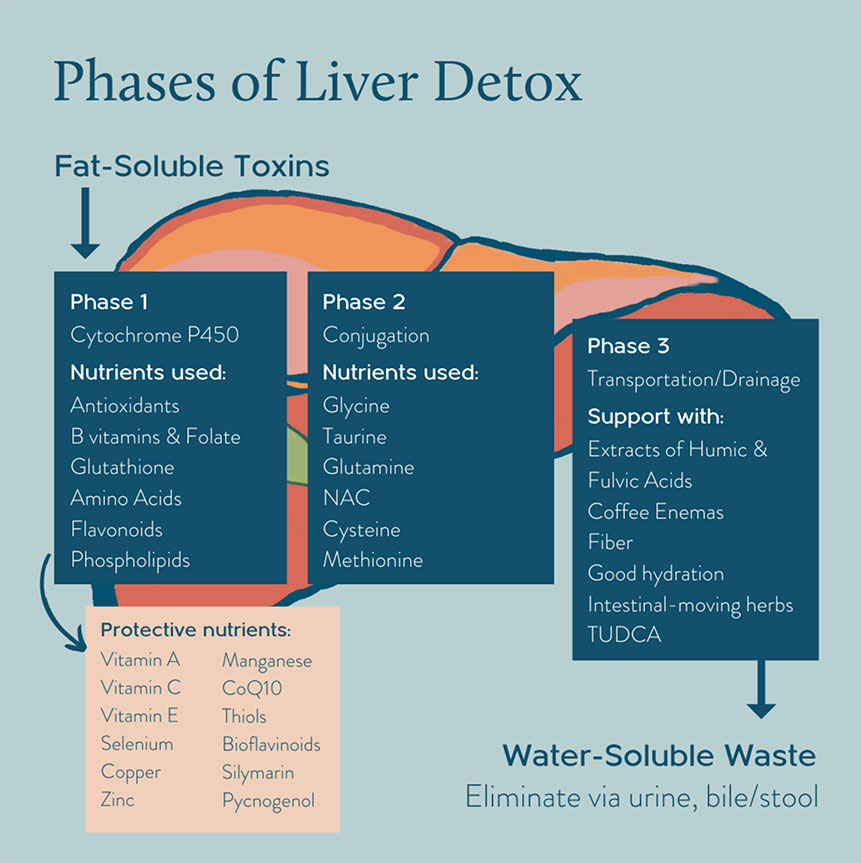
5. Your Genetic Blueprint
This is a huge topic, and real solutions require working with a functional genomics specialist – not just reading posts like this – but the essentials are:
• MTHFR variants (C677T, A1298C) are widely discussed in biohacking and integrative-medicine circles. This gene converts folate into the active form 5-MTHF. People with these variants often do better with 5-MTHF, not folic acid (which no one should take) and not folinic acid.
• Slow COMT (“worrier” polymorphism):
https://www.xcode.life/genes-and-personality/slow-comt-gene/
A slow COMT can reduce tolerance to methylated Bs – anxiety, insomnia, irritability, and overstimulation are common. In that case, test very small doses of methyl-B12 and 5-MTHF, or consider non-methylated B12 (hydroxocobalamin) or non-methylated B9 (folinic acid / calcium folinate). But a single polymorphism doesn’t dictate what will or won’t work for someone. The clinical relevance of many variants is debatable, and genetics alone doesn’t determine supplement needs. Polymorphisms show tendencies, nothing more. Everything must be evaluated in context: genetics, epigenetics, environment, symptoms.
For example:
• People with suboptimal SHMT1 usually need non-methylated B9 (folinic acid / calcium folinate).
If SHMT1 rs1979277 is A/G or A/A, you likely need non-methylated B9. If it’s G/G, methylated B9 may fit.
If someone with slow SHMT1 takes methylfolate, they may develop methyl toxicity or over-methylation (anxiety, irritability, insomnia, neurological issues).
• With suboptimal MTR, use B12 as adenosylcobalamin or hydroxocobalamin, while people with optimal MTR can tolerate methyl-B12 well. Ignoring MTR, MTRR, and SHMT1 while taking the wrong forms of B9 and B12 can lead to over- or undermethylation and their associated symptoms.
• For MTR rs1805087, your B12 needs vary: any G allele is suboptimal and points toward non-methylated B12. Hydroxocobalamin still produces a small amount of methyl-B12, which may be too much for people with one or two G alleles – in that case, adenosylcobalamin is safer. Always treat B9 and B12 as a pair – use them together.
In summary
Setting all the nuances aside – if you react poorly to an active B-complex, try individual forms instead of a full blend. If one doesn’t work, try another. Very often the only way forward is trial and error until you find what your system responds to best. If methylated B9 (methylfolate) and methylated B12 (methylcobalamin) don’t suit you, choose non-methylated but still highly bioavailable options: calcium folinate and hydroxocobalamin. And consider which of the “bottlenecks” described above may apply to you – then correct those.
Using B vitamins as a premade complex vs. building your own. Taking them together.
The main principle is simple: B vitamins should always be taken as a thoughtfully chosen, individually tailored complex, with attention to all necessary cofactors – other vitamins, trace minerals, and amino acids.
When I see someone taking high doses of B6 and B12 because “they’re good for the nerves”, but not taking the rest of the B vitamins or the required cofactors – and not even knowing what those cofactors are – I can only sigh.
Personally, I take B vitamins as separate units inside a custom-built complex. Sure, the supplement shelf ends up looking messy – a pile of bottles instead of one pretty box – but there’s logic behind it. It’s extremely difficult to find a perfect B-complex because
- most of them contain some of the “bad” forms (the “bad” B6: pyridoxine HCl, the “bad” B12: cyanocobalamin, or the “bad” B9: folic acid), or
- they contain too much of one vitamin (usually way too much B6), or
- the forms simply don’t match your genetics or your current situation (e.g., methylated vs. non-methylated forms).
On top of that, some B vitamins use the same transporters in the body – for example, SMVT transports both pantothenic acid (B5) and biotin (B7). Because of this, taking them at the same time isn’t ideal. I take biotin at a different time of day than pantothenic acid.
Good brands for both methylated and non-methyl B-complexes produce Objective Nutrients and Seeking Health. I have no affiliation with these companies – I only mention what I’ve used myself or what seems sufficiently well-formulated.
Cofactors for B vitamins
Nothing in the body works in isolation. The functional availability of different B vitamins depends on various cofactors – other B vitamins, fat-soluble vitamins, minerals, amino acids. I highlight some of these cofactors in the B1 and B12 protocols in their respective sections.
B-vitamin function also depends on your genetics, microbiome, illness patterns, and epigenetic factors that can slow down or even completely “switch off” the transporters and enzymes required for vitamin utilization.
It’s a complex landscape – so work with someone who understands it, or be prepared for a long period of experimentation.
Notes on individual B vitamins
B1 – thiamine
B1 (always together with magnesium, other electrolytes, and other B vitamins) is like a gateway into cellular energy production. Thiamine pyrophosphate (TPP), the active form of B1 in the body, is a crucial cofactor for several key enzymes in cellular energy metabolism, especially for getting energy from carbohydrates – for example, the pyruvate dehydrogenase complex, which then helps generate ATP, the “currency” of our cells.
While we usually think that only severe alcoholics or people with extreme malabsorption end up in B1 deficiency (beriberi), subclinical B1 deficiency is extremely common in our caffeine–alcohol–stress–carb–driven modern society.
Causes of B1 deficiency include:
aldehydes (from alcohol, candida overgrowth, etc.), excessive intake of carbohydrates, sugar, alcohol, tea, coffee (tannins), SIBO, SIFO and other dysbiosis patterns, long-term high stress, intense physical exertion, antacid use, chlorinated water (especially if used in cooking), high-oxalate diets, pregnancy, chronic illness, fever, surgery (e.g. gastric bypass), first-generation antihistamines, metformin, metronidazole (Flagyl), fluoroquinolones, antipsychotics, chemotherapy, anticholinergic drugs, restrictive diets, fasting, anorexia, and so on.
For deeper reading:
https://hormonesmatter.com/thiamine-deficiency-in-modern-medical-practice/
https://pmc.ncbi.nlm.nih.gov/articles/PMC8533683/
https://www.frontiersin.org/journals/nutrition/articles/10.3389/fnut.2025.1541054/full
https://www.amazon.com/Thiamine-Deficiency-Disease-Dysautonomia-Malnutrition/dp/0128103876
There is no perfect B1 test. Serum B1 is useful to rule out severe deficiency, but tells you nothing about functional availability. Functional B1 deficiency is better hinted at by OAT (Organic Acid Test) markers – especially ketoisovalerate – and by a few very niche tests such as erythrocyte transketolase activity (ETKA), which are hard to access.
Even if B1 is “normal” on a standard test, high doses of bioavailable B1 can still be extremely helpful for people with chronic conditions, digestive issues, or chronic fatigue / CFS after severe viral infections (EBV, covid), where B1 transporters or enzymes involved in its metabolism have been “switched off” epigenetically.
In such cases, the only way to overcome the block is to use high doses of B1 so that it can get into cells via passive diffusion and hopefully “reboot” the blocked enzymatic processes. Viral infections also tend to increase lactate levels, which over time sabotages glutathione production – this lowers thiamine uptake, which then lowers magnesium uptake, which then further lowers thiamine uptake…
A vicious circle in which deficiencies drive the body into a low-metabolism emergency mode. In such situations, supra-physiological doses of vitamins can be a relatively cheap and accessible way to restore a decent quality of life.
B1 forms
B1 comes in several forms:
- Thiamine mononitrate – the least bioavailable form.
- Thiamine hydrochloride (HCl) – partially bioavailable. If B1 transporters are impaired or “offline”, very high doses (even up to a gram a day) are often needed to push enough B1 into cells via passive diffusion.
- Benfotiamine – well absorbed, good for the peripheral nervous system. This is why it is often prescribed to diabetics.
- TTFD – very bioavailable, easily crosses into the CNS, excellent for “feeding” the autonomic nervous system. It is a thiol-containing compound (contains sulfur), so if sulfur pathways are sluggish, tolerance may be poor (tip: support with molybdenum). Metabolizing TTFD requires glutathione, so it is wise to support the glutathione system with its key amino acids (glycine + NAC) and with nutrients required for recycling, especially B2. Because of its thiol group, TTFD interacts with heavy metals and acts as a mild chelator – this can be problematic for people with high mercury burden.
- Sulbutiamine – similar to TTFD, widely used as a nootropic to boost mental function because it easily reaches the CNS.
- Thiamine pyrophosphate (TPP) – the active form in the body; very effective and does not require high doses. More expensive than other forms. Often a good fit for people who are very sensitive to supplements. Can be titrated up very slowly.
Thiamine HCl and TPP require functioning transporters (THTR-1 and THTR-2) to enter cells. Benfotiamine and TTFD, on the other hand, are fat-soluble and can cross lipid cell membranes without these transporters. That can be crucial if gut-level transporter function is impaired. However, breaking down benfotiamine and TTFD consumes glutathione. If glutathione is already low, issues can arise. NAC + glycine or liposomal glutathione can help. These forms can also stress sulfur pathways (again – think molybdenum), and may over-feed bacteria in the small intestine if you have hydrogen-sulfide (H₂S) SIBO. They may increase histamine reactions as well, so supporting histamine metabolism (DAO, HNMT) might be needed.
If your oxalate levels are high, you may also experience an “oxalate dump” – in case of strange negative reactions, keep this possibility in mind.
B1 protocol for jump-starting energy metabolism
At one point, I personally benefited a lot from Elliot Overton’s high-dose B1 protocol for kick-starting cellular metabolism:
https://www.youtube.com/watch?v=O-aQHxp97oA
Articles:
https://www.healthrising.org/blog/2021/06/02/fibromyalgia-chronic-fatigue-syndrome-benefit-high-dose-thiamine/
https://www.healthrising.org/blog/2021/04/15/thiamine-b-1-chronic-fatigue-syndrome-fibromyalgia/
Research summary:
https://high-dose-thiamine.org/research-on-high-dose-thiamine/
And a very recent study:
https://www.frontiersin.org/journals/nutrition/articles/10.3389/fnut.2025.1541054/full
In essence, the B1 protocol uses high doses of B1 (thiamine HCl up to 1 g/day, benfotiamine and especially TTFD – which most effectively reaches the CNS – around 200–600 mg/day) plus:
- high-dose B2
- plenty of magnesium
- a general B-complex
- electrolytes, especially potassium
- a multi-mineral complex with attention to molybdenum, selenium, and iodine as key cofactors for B2 function
Glutathione-supporting amino acids (glycine and NAC) can be very helpful because benfotiamine and TTFD use up glutathione in their breakdown. Bicarbonate is also extremely important. Very high thiamine doses can partially inhibit carbonic anhydrase, reducing bicarbonate production.
That is why sometimes the protocol initially gives a stunning effect – improved function, more energy – and then seems to stop working. In those cases, simple things like baking soda (sodium bicarbonate) in water on an empty stomach in the morning, or potassium bicarbonate, can restore balance and bring back the positive effects. Urine pH strips can be useful for tracking this.
In any case, I strongly recommend reading a detailed explanation of this protocol and its potential side effects before trying it.
Keep in mind: in people with pronounced B1 deficiency, symptoms can temporarily worsen at the beginning. This is the so-called paradoxical reaction – fatigue, anxiety, muscle weakness, nerve pain, gut issues.
So the core rule is: start with very low doses and build a thoughtful support and cofactor protocol around them. A strong paradoxical reaction is often an empirical sign of how badly your body needed this vitamin.
This has been my experience with several vitamins and minerals – strong reactions at the start, which gradually settle as the system stabilizes, and over time, brick by brick, overall vitality, resilience, mood, stamina, and cognition improve.
You cannot “force-on” metabolism with brute force. The body is a very intelligent self-regulating system – it shifts into low-metabolism emergency states (hypometabolic states) not because it is “stupid”, but to protect its most vital functions.
If the main driver of that emergency state is simply vitamin and mineral deficiencies, protocols like this can work brilliantly. But usually there are also other layers: toxicity, pathogen load, autonomic nervous system dysregulation due to chronic stress, and much more. Those also need to be identified and addressed.
That’s why it is wise to start with thiamine HCl at very low doses, and only then slowly transition to more bioavailable forms and higher doses. This paradoxical reaction is one of the main reasons people “feel awful” when they jump straight into large doses of bioavailable B vitamins.
Never start with high doses. It is like eating a mountain of barbecue and whipped-cream cake after a 20-day fast – your system simply is not ready.
Paradoxical reactions are often linked to a temporary potassium deficiency: thiamine increases potassium uptake and retention in cells for energy production, so serum potassium can drop and trigger transient deficiency symptoms. It also burns through magnesium quickly – you need a lot of it. Fat-soluble forms consume glutathione in their breakdown. If glutathione is low, side effects are more likely.
In short – when you “push” cellular metabolism like this, you will burn through other vitamins, minerals, electrolytes, and amino acids faster, especially in the early phase. So study the protocol carefully, do not forget the cofactors, watch your reactions, and move thoughtfully.
B2 – riboflavin
B2 is essential for optimal metabolism, energy production, glutathione recycling, and the functional availability of B12. A classic sign of B2 deficiency is cracked corners of the lips (cheilitis). If B2 is low, there is also a risk of B6 toxicity (which causes neuropathy) even at small B6 doses, because B2 is required for proper B6 metabolism. B2 is needed to load iron into red blood cells and for hundreds of other enzymatic reactions.
If you have candida overgrowth, starting B2 may trigger a Herxheimer reaction. B2 deficiency may also cause light sensitivity, nerve issues, hair loss, and more.
Although there is an “active” B2 form (riboflavin-5′-phosphate), highly educated biohackers like Chris Masterjohn argue that the regular, inexpensive riboflavin works just as well – and sometimes better. B2 will color your urine bright orange. Don’t worry, that’s normal.
Important: for B2 to be functionally available, you need iodine, selenium, and possibly molybdenum. If any of these cofactors are struggling, B2 activation will suffer – and that will affect all 100+ enzymatic reactions that depend on this vitamin.
B2 activation can also be impaired by low magnesium and/or zinc. Another reason for poor B2 activation is low triiodothyronine (T3) – the thyroid hormone. Low T3 is common in CFS-like states. T3 is also required for magnesium activation, so both suffer.
Why is T3 low? Often because reverse T3 (rT3) is high – something that almost no conventional endocrinologist tests. High rT3 can be driven by prolonged stress (high cortisol), gut dysfunction, liver and bile issues (60–80% of T4 is converted to T3 in the liver!), low carbohydrate intake, fasting, and so on.
As always, everything must be viewed in context.
B2 is extremely important for both B6 and B12 functional availability.
A great overview of functional B2 deficiency is here:
https://b12oils.com/b2.htm
(The author is Dr. Greg Russell-Jones, one of the world’s leading B12 experts.)
B2 and microbiome regulation
Coenzyme role: Riboflavin is the precursor for FMN (flavin mononucleotide) and FAD (flavin adenine dinucleotide), both essential cofactors in many enzymatic reactions. Gut bacteria use these cofactors in energy metabolism and other biochemical processes.
Certain beneficial microbes – such as Faecalibacterium prausnitzii – require riboflavin for optimal growth. These microbes are major producers of butyrate, a short-chain fatty acid (SCFA) crucial for gut health.
Butyrate is produced when gut bacteria ferment dietary fiber. It strengthens gut-barrier integrity, regulates the immune system, and has anti-inflammatory effects.
Indirect effects of riboflavin: By supporting butyrate-producing bacteria, B2 indirectly boosts butyrate production. This can help rebalance the gut microbiome and potentially suppress pathogenic microbes. Riboflavin is also inexpensive – far cheaper than butyrate supplements – yet its positive effect on the microbiome can be very similar.
See also:
https://pmc.ncbi.nlm.nih.gov/articles/PMC9986023/
B3 – niacin
B3, as a precursor to NAD+, is essential for staying alive: for redox reactions, energy production and cellular signaling, fatty-acid and cholesterol synthesis, recycling glutathione (our intracellular antioxidant powerhouse), DNA repair and synthesis, various metabolic functions, and neurotransmitter production. Severe deficiency presents as pellagra, characterized by dermatitis, digestive issues, and neurological symptoms. Another deficiency sign is glossitis (a red, swollen tongue).
B3 forms:
- Niacin – can cause a “flush”: tingling, burning, heat, and redness of the skin, which some people dislike. It is caused by prostaglandin release and is not harmful. Niacin is a strong methylation suppressor, helpful as a “rescue ring” in states of over-methylation (e.g., after taking too many methylated B vitamins or other methyl donors like TMG). Over-methylation feels like restlessness, anxiety, insomnia.
- Niacinamide – good for calming the system and supporting sleep. No flush.
- Time-release niacin/niacinamide – best avoided. There are documented cases of liver toxicity at relatively low doses.
- Nicotinamide riboside (Niagen, etc.) – more effective at boosting NAD+. In my view, overpriced for what it does.
P.S. B3 and Gilbert’s syndrome (bilirubin):
If you take high doses of niacin and you have Gilbert’s syndrome, your bilirubin levels will rise. Before genetic testing became widely available, the “niacin test” (taking a large dose of niacin the day before measuring bilirubin) was actually used to help identify Gilbert’s syndrome – a genetic quirk of liver metabolism. If this applies to you, choose niacinamide instead, and avoid overdoing it.
P.P.S. A cheap and fairly effective detox protocol for heavy metals and other toxins is the niacin megadose + infrared sauna method. More info:
https://www.getdetoxinated.com/
B5 – pantothenic acid
Available in two forms. Usually, the regular form – pantothenic acid – is sufficient. The active form, pantethine, may be more suitable for cholesterol issues.
B5 is very important for energy and fatty-acid metabolism. It is also extremely useful for adrenal support in states of long-term stress or adrenal exhaustion, because B5 is required for the synthesis of CoA (coenzyme A), which is needed for making steroid hormones from cholesterol.
A heavy pathogen load and pathogen die-off can produce ammonia, which burns through B5 – something worth keeping in mind.
Cofactors: magnesium, B6, B9, B12.
B6 – pyridoxine
B6 is a very important vitamin for more than 100 enzymatic reactions, mainly involving protein metabolism and amino-acid conversion, but also for synthesizing neurotransmitters (serotonin, dopamine, GABA), supporting blood formation, maintaining healthy homocysteine levels, supporting immune function, and much more.
So yes – B6 is extremely important. But if it accumulates in the body, it can become toxic. At high levels, it can produce the same symptoms as B6 deficiency – neuropathy and other neurological issues.
In biohacker circles, B6 toxicity is usually explained as a buildup of inactive B6 in the bloodstream, which becomes problematic for several reasons:
1) Overuse for too long
Taking too much B6 for extended periods can lead to toxicity.
2) Using the wrong B6 form
Long-term use of the wrong form – pyridoxine hydrochloride – can impair the body’s ability to convert B6 into its active form.
3) Missing essential cofactors
Proper B6 function requires other nutrients, especially B2, magnesium, zinc, and others. Without these, even small doses of the active form (P5P) can cause issues.
4) Low cellular energy
If your mitochondria aren’t functioning well – after a virus, due to chronic fatigue, or because of toxic exposure (gadolinium, mercury, etc.) – your body struggles to activate B6. B6 activation requires ATP and further conversion requires B2. Without enough energy, B6 can accumulate and become toxic.
And these more speculative ones:
5) Low alkaline phosphatase (ALP)
ALP helps dephosphorylate P5P so it can cross cell membranes. If ALP is low, P5P utilization may be impaired. Zinc, magnesium, and potassium are needed for proper ALP function. Many factors can lower ALP – check it.
6) Dysbiosis + leaky gut
Some gut bacteria, including E. coli, produce B6. In a balanced microbiome, this is helpful – but if B6-producing bacteria overgrow, and the gut lining is permeable, passive diffusion of B6 into the bloodstream can increase. If ALP is low, mitochondria are sluggish, or cofactors are missing, B6 may rise to toxic levels.
7) CBS pathway issues
B6 regulates CBS and plays a key role in homocysteine metabolism. But genetic variations (e.g., CBS overactivity) and low-energy states (CFS, mitochondrial issues) can disrupt this pathway. In these cases, excess B6 may worsen symptoms. Molybdenum can sometimes help regulate sulfur metabolism and reduce B6 “toxicity”.
Here is a detailed article (with diagrams), unfortunately only in German:
https://www.histameany.de/aktives-und-inaktives-vitamin-b6-worin-liegt-der-unterschied/#Die_Umwandlung_von_Pyridoxin_PN
Testing B6
Gulbis Lab now offers a new B1+B6 test (25 EUR). It’s worth running to determine whether you have a frank B1 deficiency, B6 deficit, or B6 toxicity.
If B6 toxicity is present, consider the points above:
• stop B6
• avoid the wrong forms
• try supporting cofactors
• retest after a month or two
From my personal experience, in cases of B6 toxicity, the underlying issues are often B2 deficiency, ATP deficiency, or low ALP – even when the B6 dose was small and “non-toxic”.
Also, from my own experience and countless anecdotal reports: once you support metabolism more strongly (e.g., using the B1 megadose protocol described earlier), especially focusing on B2, B5, zinc, magnesium, molybdenum, etc., the “excess” and potentially harmful B6 gets quickly used up by metabolic processes.
Additional note: B6 and pyrrole-metabolism disorders / pyroluria (KPU)
KPU is a syndrome often discussed in functional and integrative medicine, especially in Germany, although it remains controversial and is not widely accepted in conventional medicine. The syndrome is characterized by excessive excretion of pyrroles – naturally occurring compounds in the human body. These bind zinc and B6, causing functional deficiencies.
This metabolic dysfunction disrupts heme synthesis, which is crucial for producing red blood cells and key enzymes. Loss of these nutrients creates a vicious cycle: impaired oxygen transport, impaired detoxification through cytochrome P450 enzymes, and impaired antioxidant systems (including glutathione and superoxide dismutase).
This deficiency affects neurotransmitter synthesis, leading to symptoms such as anxiety, depression, and poor stress tolerance – often misdiagnosed as purely psychological or psychiatric conditions.
Hypothetically, KPU may affect 10–30% of the population. Causes may be genetic or environmental. Symptoms can span multiple systems – immune dysfunction, hormonal imbalance, increased sensitivity to toxins or EMFs, cracked lips, poor wound healing, histamine intolerance, chronic fatigue, detox difficulties, etc.
Diagnosis usually involves detecting elevated HPU (hydroxypyrrol-2-one) in urine, along with labs showing low zinc, B6 deficiency, and high oxidative stress. Treatment focuses on careful, low-dose nutrient replenishment (zinc, P5P, magnesium, taurine, etc.), while supporting the liver and detox pathways to avoid overwhelming the system.
Many people report significant improvements after correcting these nutrient imbalances and making lifestyle changes.
Resources:
https://aonm.org/kryptopyrroluria-the-elephant-in-the-room/
https://drjockers.com/pyroluria-common-unknown-disorder/HPU test in Europe:
https://www.keac.nl/product/hpu-test-24-hour-urine/?lang=en&_x_tr_sl=de&_x_tr_tl=en&_x_tr_hl=lv
B7 – biotin
Vitamin B7 is important for essential metabolic processes, including fatty-acid synthesis and amino-acid metabolism. Deficiency isn’t very common, but it can cause hair, skin, and nervous-system issues.
B7 uses the same transporter as B5, so it’s best not to take them at the same time.
Do NOT take biotin for a week before lab tests – it interferes with thyroid and other hormone assays!
B9 – folic acid / folate
Vitamin B9, known as folic acid or folate, is essential for DNA synthesis and repair, and for the methylation cycle, where it works closely with B12 and B6 to regulate homocysteine, neurotransmitter production, and detoxification. Folates are especially important during periods of rapid growth, such as pregnancy and adolescence.
Traditional folate deficiency can be caused by poor diet, alcoholism, malabsorption, or increased demand (e.g., pregnancy). In addition, genetic variants such as MTHFR can impair the conversion of folic acid (the synthetic form) into L-methylfolate, the active form – resulting in a functional folate deficiency even when blood levels look normal.
Cofactors that support folate function include B12, B2, B6, and magnesium. Without them, folates may not be properly activated or utilized, leading to fatigue, mood issues, impaired detoxification, and elevated homocysteine.
Not all B9 forms are equal.
The most common synthetic version – folic acid – is used in many supplements and “fortified” foods. But to become L-methylfolate (5-MTHF), it must pass through several enzymatic steps. In people with MTHFR polymorphisms (especially C677T or A1298C), these steps are significantly impaired. As a result, folic acid can accumulate in the bloodstream unmetabolized, blocking folate receptors and impairing real folate function.
In such cases, L-methylfolate (5-MTHF) or folinic acid (folinic acid / calcium folinate – a non-methylated yet bioavailable form) are much safer and more effective options.
L-methylfolate directly supports methylation, neurotransmitter synthesis, and homocysteine regulation, while folinic acid is often better tolerated by sensitive individuals or those with methylation issues.
So: choose the methylated or non-methylated form that suits you best, and think about cofactors (B2, B6, B12, magnesium). And read ingredient lists carefully – I personally avoid foods “fortified” with folic acid.
Special focus: cerebral folate deficiency and PANDAS
A recent discovery for me: 50% of children with PANDAS have cerebral folate deficiency (CFD).
PANDAS (Pediatric Autoimmune Neuropsychiatric Disorders Associated with Streptococcal Infections) appears after a strep throat infection in children. In many affected children, the immune system produces autoantibodies against folate receptor alpha (FRα), which blocks B9 transport across the blood–brain barrier.
This results in low folate in cerebrospinal fluid, despite normal (or even high) blood folate levels – leading to methylation problems, neuroinflammation, and symptoms such as tics, OCD, cognitive or behavioral changes. In the blood, folate may look normal or elevated – while the CNS is starving for it. Standard folic acid is ineffective here and may worsen receptor function.
Even methylfolate often doesn’t work. The recommended therapeutic form is folinic acid (calcium folinate), because it bypasses the blocked transporter and can reach the brain. This condition is especially relevant for children with PANDAS and other autism-spectrum disorders. It can be triggered or worsened by dairy proteins such as casein, which may trigger similar autoantibodies.
The good news: the FRAT test (Folate Receptor Autoantibody Test) is a non-invasive diagnostic tool that helps identify whether low brain folate may be the issue.
FRAT test: https://www.fratnow.com/
In my view, this test – and the corresponding B9 therapy – may be a real life-saving strategy for a substantial subgroup of people with autism-spectrum disorders. High-dose folinic acid, strict elimination of dairy, and guidance from a knowledgeable specialist can lead to significant improvements.
More about cerebral folate deficiency:
https://tacanow.org/family-resources/cerebral-folate-deficiency/
B12 – cobalamin
Vitamin B12 is essential for DNA synthesis, red-blood-cell formation, neurological function, and energy production. It plays a central role in methylation, influencing mood regulation, detox pathways, myelin integrity, and homocysteine levels.
But not all B12 deficiencies can be solved by simply taking a supplement.
In pernicious anemia, for example, the body lacks intrinsic factor – the protein required for B12 absorption in the gut – which makes oral supplements ineffective. Autoimmune gastritis, genetic mutations, and malabsorption syndromes can also block B12 utilization.
And then there are people on radical diets – especially vegans and raw-food adherents – who haven’t thought through a solid B12 support protocol.
Crucially, even with high serum B12, you may still have a functional B12 deficiency, where the vitamin does not activate or enter cells properly, often due to missing cofactors.
B12 cofactors
Cobalamin function relies on a network of cofactors that support key processes like methylation and energy metabolism. B12 has two active forms:
- methylcobalamin – works in the cytosol to support methylation
- adenosylcobalamin – works in mitochondria to support energy production
Converting B12 into these forms requires several cofactors. B2 (riboflavin) is absolutely essential.
However B2 activation depends on:
- iodine
- selenium
- and likely molybdenum
Folate (B9) is B12’s closest partner in the methionine synthase reaction, donating methyl groups to convert homocysteine into methionine. Potassium is required for numerous enzymes and can become significantly depleted when taking B12. Iron is important. Magnesium stabilizes ATP and supports methylation. Zinc supports enzyme activity and homocysteine regulation.
Testing
A standard serum B12 test is only useful for ruling out severe deficiency. It says nothing about whether you have adequate functional B12 in its two active forms.
The active B12 test (holotranscobalamin, holoTC) is better – it usually reflects available B12 – but still does not directly measure whether methylcobalamin and adenosylcobalamin are working inside cells.
You can have sufficient holoTC but still fail to convert B12 into its active forms due to genetic blocks, enzyme dysfunction, or missing cofactors.
Markers:
- Homocysteine reflects the adequacy of methylcobalamin (though also influenced by folate, B6, and overall methylation).
- MMA (methylmalonic acid) reflects adenosylcobalamin status. It can be measured in blood or via OAT (Organic Acids Test).
MMA and homocysteine are the best indicators of whether B12’s active forms are being used correctly.
Functional B12 deficiency
Even if serum B12 is high, it may not be functionally available.
The key bottleneck is usually B2 – you cannot use B12 without activated B2, and B2 activation requires iodine, selenium, and potentially molybdenum*.
Gregory Russell-Jones’ protocol for resolving functional B12 deficiency
This protocol is structured in carefully titrated phases.
- Activate riboflavin
First introduce the minerals needed for B2 activation, step by step:
iodine → selenium → molybdenum*. - Introduce B2
Once the mineral base is solid, add riboflavin so the body can convert it into FMN and FAD. - Add B12 in active forms
Slowly introduce adenosyl- and methyl-B12 (in his protocol, applied transdermally as B12 oils) to restore intracellular B12 availability.
During this process, markers like TSH/T4/T3, OAT metabolites, and potassium are monitored, since reactivating methylation can trigger adrenaline surges and temporary hypokalemia.
This protocol is especially helpful for people with chronic fatigue, autism, neurological issues, histamine intolerance, and post-viral syndromes such as long COVID. It resolves the overlooked, functional B2/B12 blocks that affect over 300 enzymes in the body.
P.S. Some argue that Russell-Jones is slightly mistaken on molybdenum, and that the real issue is molybdopterin. Either way: iodine and selenium are unquestionably required, and molybdenum still matters because if you’re molybdenum-deficient, you cannot synthesize the molybdenum cofactor properly. Sulfites then bind to B2 and create a functional B2 deficiency. In other words – you cannot activate B2 if you have sulfite overload.
Resources:
https://weakthereforestrong.com/the-moco-steal-that-leads-to-a-sulfite-trap/
https://sergey.science/posts/umn/2021-03-06-role-of-moco-in-fad-synthesis-is-not-confirmed/
More on functional B12 deficiency and the protocol:
Research archive:
https://b12oils.com/research.htmGroup with the protocol PDF (file section):
https://www.facebook.com/groups/946944078825502/Case example – a young man recovering from severe CFS using this protocol:
https://www.youtube.com/watch?v=qQZMSAtYIU4
Overall summary
- B vitamins + their cofactors can significantly improve how you feel when your health issues are rooted in vitamin and mineral deficiencies. They’re extremely useful and important. With a few exceptions, they’re very safe – even in higher doses – and can provide substantial benefits for overall well-being. However – always start low and slow.
- Avoid the less effective B-vitamin forms:
– B6: pyridoxine hydrochloride
– B9: folic acid
– B12: cyanocobalamin - Do not take large doses of individual B vitamins without their “helpers.”
Meaning: don’t megadose a single B vitamin without the others, and without the required minerals. Especially avoid long-term high-dose B6 – it can become neurotoxic. - For most people, a good magnesium + a good B-complex + a solid multimineral and electrolytes is all that’s needed to feel real improvement.
- A smaller group – especially those dealing with chronic health issues – will need adjustments: changes in forms, changes in doses and ratios, different cofactors, different timing, etc. Testing helps, but so does listening carefully to your body.
A small subset will need therapeutic, supra-physiological doses. In that case, either you or the practitioner guiding you must understand at least the broad interactions and your individual context – otherwise you risk ending up in one ditch or another (or several).
For reference: my B-vitamin + cofactor protocol [not for the beginners*]
Through personal experimentation, tracking my symptoms and lab changes, and studying my genetics, the following setup works best for me:
- High B1 (benfotiamine and/or TTFD, 200–400 mg)
- High B2 (standard riboflavin, 100 mg)
- Medium B3 (niacinamide, 200 mg)
- High B5 (pantothenic acid, 500 mg)
- Low B6 (5–10 mg, 2–3× weekly, P5P form)
- Medium B7 (taken separately from B5, since they use the same transporters)
- Medium B9 (alternating between non-methylated calcium folinate and methylfolate a few times per week)
- High B12 (0.5–1 mg, a few times per week, methylcobalamin + adenosylcobalamin)
PLUS, always – a lot of bioavailable magnesium (glycinate, threonate, chloride, citrate – not oxide!), and a multimineral complex adjusted to my own needs based on HTMA, genetics, and practical experience. I also use potassium (potassium bicarbonate on an empty stomach, or high-potassium foods) and other electrolytes as needed.
I add NAC + glycine cyclically to support glutathione synthesis – because metabolizing high B1 doses, especially TTFD, consumes glutathione. B2 is crucial for glutathione recycling, so when I use TTFD, I also increase B2.
I start and stop this protocol fluidly, based on how I feel – usually when I need more capacity during higher physical or cognitive demand, or after viral infections.
The outcome of these biohacking efforts has been robust health, physical and mental resilience, a strong immune system, and great daily well-being. Of course, I’ve done a lot more: clearing chronic infections with plant-based protocols, removing heavy metals, supporting my liver – my genetically weaker but beloved companion – mental and emotional work, energy work and spiritual practices.
In short: I try to look broadly, openly, flexibly – integrating physical and non-physical aspects – while keeping the process individual and intuitive.
If you’d like to support more writing like this, you can: